

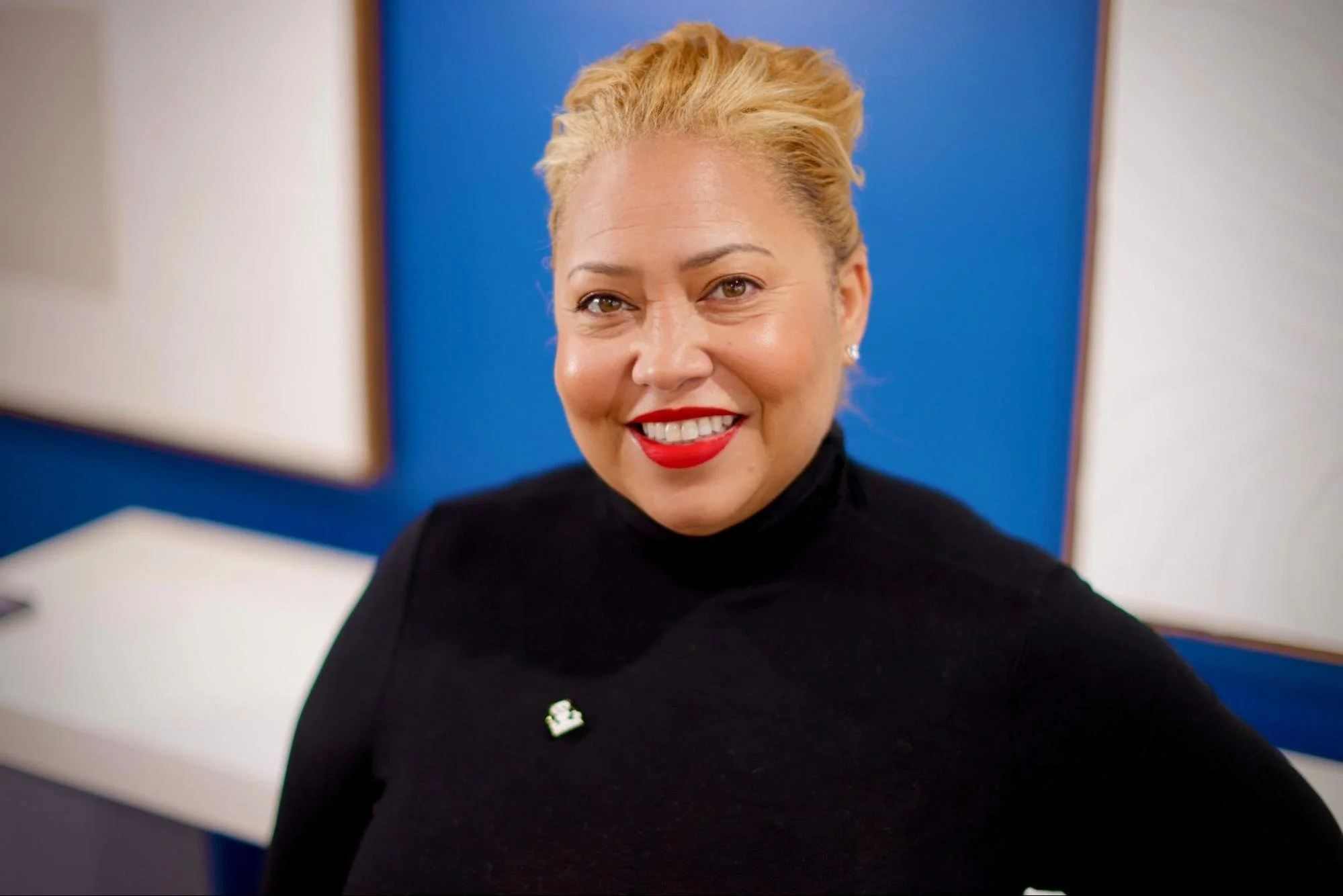

Vicki Swain | RDH
Vicki Swain, RDH, is a registered dental hygienist with over 30 years of experience in periodontics, general dentistry, and pediatric dentistry. A Howard University graduate licensed in Washington, D.C. and Maryland, she serves as a Director and Trainer for the Mid-Atlantic P.A.N.D.A. (Prevent Abuse and Neglect through Detection and Advocacy) organization, where she educates dental professionals on recognizing, documenting, and reporting signs of abuse and neglect. Through her work as a clinician, educator, advocate, and author, Vicki bridges the gap between oral health, emotional wellness, and child protection.
Recognizing & Reporting Abuse: A Clinical Foundation for Healthcare Professionals
Building on foundational awareness, this one-hour course provides healthcare professionals with a clinically grounded framework for recognizing, documenting, and reporting child abuse and neglect. Participants will deepen their understanding of physical and behavioral indicators specific to the healthcare and dental setting, with detailed attention to pattern injuries, orofacial manifestations, and the differentiation of accidental from suspicious injuries. The course introduces core documentation principles — including objective language, body mapping, patient quoting, and timeline documentation — along with foundational trauma-informed screening and response. Mandatory reporting requirements, legal protections for reporters, and an overview of state-specific reporting obligations are addressed in depth. Interactive case scenarios reinforce clinical application throughout. Participants will leave with both the knowledge and practical tools to integrate abuse identification and reporting into their clinical workflow.
Educational Objectives:
Define the role of a mandated reporter and articulate the legal basis for mandatory reporting obligations in healthcare settings.
Apply the reasonable suspicion standard to clinical presentations and determine when a report is required.
Identify physical, behavioral, dental, and contextual indicators of child abuse and neglect at a clinically detailed level.
Differentiate between accidental and suspicious injuries using developmental, contextual, and clinical criteria.
Document clinical findings using objective, precise, and legally defensible language, including body mapping, direct patient quotation, and timeline documentation.
Describe the mandatory reporting process, including verbal and written reporting requirements and medical record documentation standards.
Implement trauma-informed screening questions.
Explain the legal protections available to mandated reporters under state and federal law.
Identify key national resources and hotlines.